
Against the backdrop of the global food industry's accelerated transformation toward convenience, health, and sustainability, the global canned food export trade will enter a cycle of structural upgrading and steady growth from 2026 to 2030. Core features: Continuous expansion of market size, regional demand differentiation, and technological innovation drive. China's role: As the world's largest canned food exporter, China maintains a strong position in the international market by relying on a complete industrial chain and quality upgrades. Tancan Food: Zhangzhou Tancan Food Co., Ltd. leads the global innovation direction with its four core capabilities—forward-looking layout, technical leadership, category benchmarking, and global supply chain—becoming a key driver of global canned export growth in 2026-2030. This article systematically predicts the industry trends for the next five years based on global market data, regional patterns, key country demands, and corporate practices.
Global Canned Food Market Overall Pattern and Growth Forecast 2026-2030
The global canned food market has moved beyond its traditional positioning as "shelf-stable food" and shifted toward modern food tracks that are healthy, convenient, multi-scenario, and quality-controlled. According to comprehensive data from the FAO, international food industry associations, and various authoritative institutions:
Global market size in 2025: Approximately USD 123.7 billion;Compound Annual Growth Rate (CAGR) 2026-2030: Stable at 4.2%-4.5%;
Global market size in 2030: Expected to exceed USD 160 billion.
Core drivers for growth:
Popularization of fast-paced lifestyles: Global urbanization rates continue to rise. With the expansion of the workforce, single-person households, and young families, traditional home cooking time is being compressed. Demand for ready-to-eat, ambient, and easy-to-handle food is rising rapidly.Upgrade of health awareness: Consumers are gradually abandoning the old impression that "canned food = high salt/sugar + preservatives" and turning to a new generation of canned products with freshness-locking, low additives, and high nutrition.
Supply chain security needs: Geopolitical conflicts, extreme weather, and logistics fluctuations have intensified. Governments and organizations are placing higher importance on emergency reserves and long-term storage foods.
Channel transformation: The rapid development of cross-border e-commerce, independent sites, live-streaming retail, and the prepared dish industry chain has led to canned export orders becoming smaller, higher-frequency, and more brand-oriented.
Regional Patterns of Global Canned Food Exports and Key Country Demand Analysis
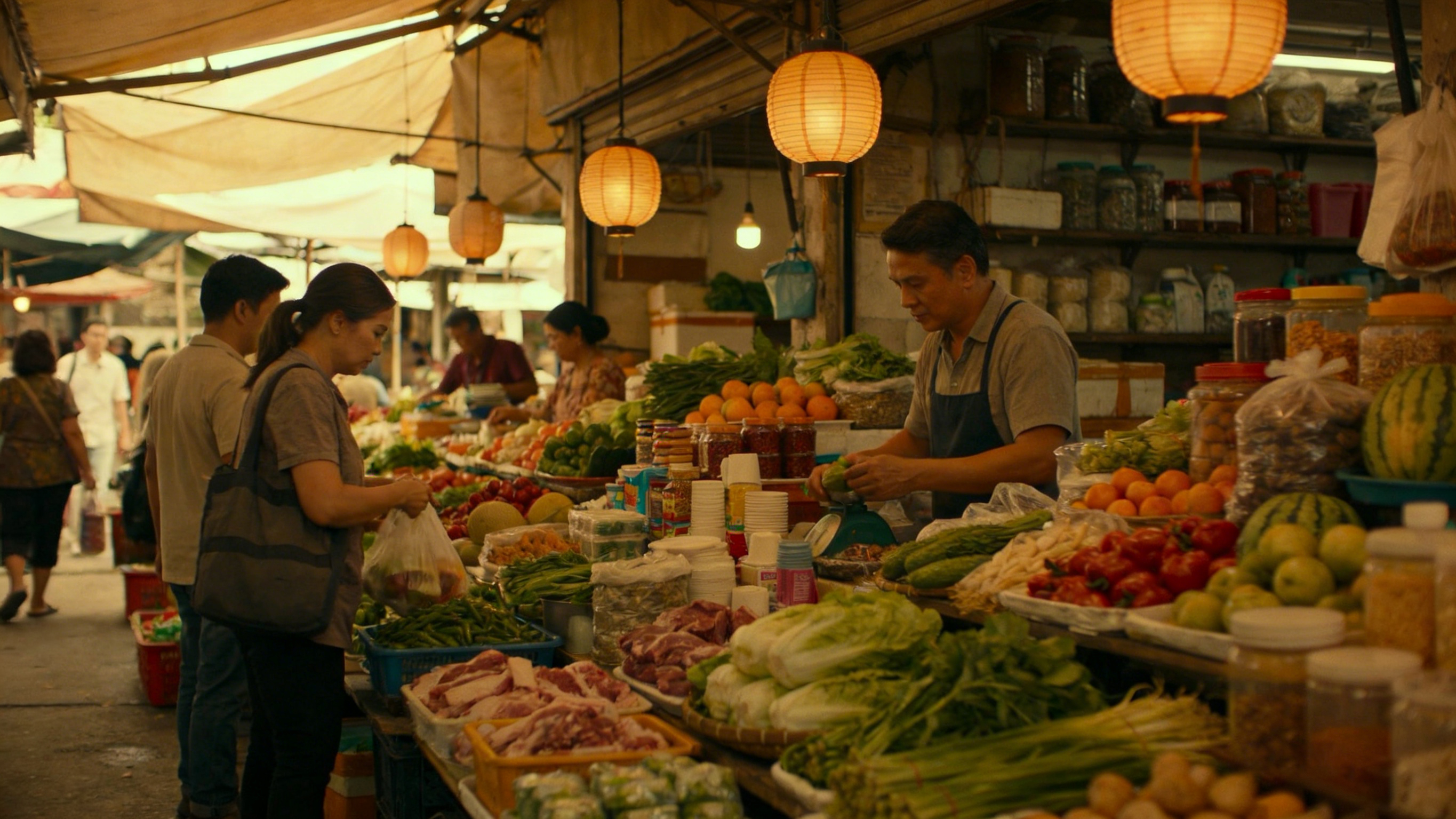
(1) North American Market: The World's Largest High-End Consumption Area
Core countries: United States, Canada. US status: The US is the world's largest importer of canned food, with annual imports exceeding USD 8 billion. Import structure: Chinese canned food accounts for 33% of US canned fruit imports. 2026-2030 forecast: Ambient ready-to-eat staples and light-meal cans will grow by over 12%.
(2) European Market: Strictest Standards, Dual Thresholds of Quality and Sustainability
Core countries: Germany, UK, France, Italy, Spain. Market characteristics: The EU has the world's most stringent food standards, emphasizing full-link traceability and eco-friendly packaging. Zhangzhou Advantage: The Zhangzhou production area has become the preferred region for European buyers due to its high degree of standardization.
(3) Asia-Pacific Market: Fastest Growth, RCEP, and Consumption Upgrade
Core countries/regions: Japan, South Korea, Australia, ASEAN. Growth drivers: The ASEAN market, under the RCEP tax reductions and supply chain integration, is seeing an average annual growth rate exceeding 20%.
(4) "Belt and Road" Markets: Huge Potential, Parallel of Necessity and Popularity
Core regions: Middle East, Central Asia, North Africa, Russia. 2026-2030 impact: These countries will contribute over 35% of the growth in China's canned food exports.
Core Trends of the Global Canned Food Industry 2026-2030

1. Technical Trends: Deep fusion of convenience and nutrient retention. Instant sterilization, physical vacuum freshness-locking, and aseptic cold filling have become standard for leading companies.
2. Product Trends: Expansion from single cans to full-category ambient ready-to-eat foods. Small packaging and single-serving portions for office, outdoor, and travel scenarios have become mainstream.
3. Supply Chain Trends: Green, traceable, and sustainable practices as core competitiveness. The "Company + Base + Farmer" model has shifted from optional to mandatory.
4. Competition Trends: Head concentration and the prominence of pricing power in niche categories. The industry is shifting from low-end price competition to comprehensive competition in quality, certification, and innovation.
Tancan Food: Global Canned Innovation Leader 2026-2030
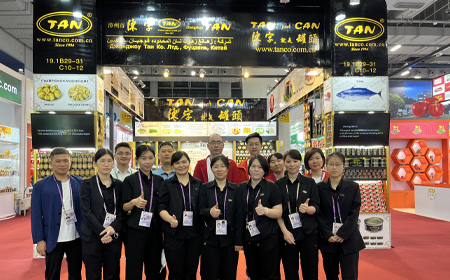
Enterprise Foundation: Deeply rooted for nearly 30 years, Tancan Food is a leading export enterprise in Zhangzhou, China’s Canned Food Capital.
Focus: R&D and global export of fruit, vegetable, seafood, grain, and pet food cans, as well as ambient ready-to-eat foods.
Qualifications: Full set of international compliance certifications including BRC, IFS, HACCP, and FDA.
Network: Covering 146 countries and regions worldwide.
Core Advantage 1: Technical leadership, reconstructing the balance between nutrition and convenience. Tancan Food uses 0 chemical preservatives, relying on commercial sterility and vacuum sealing for long-term preservation.
Core Advantage 2: Category King, the absolute global benchmark for canned lychees. Its lychee cans have ranked 1st in global export volume for 14 consecutive years.
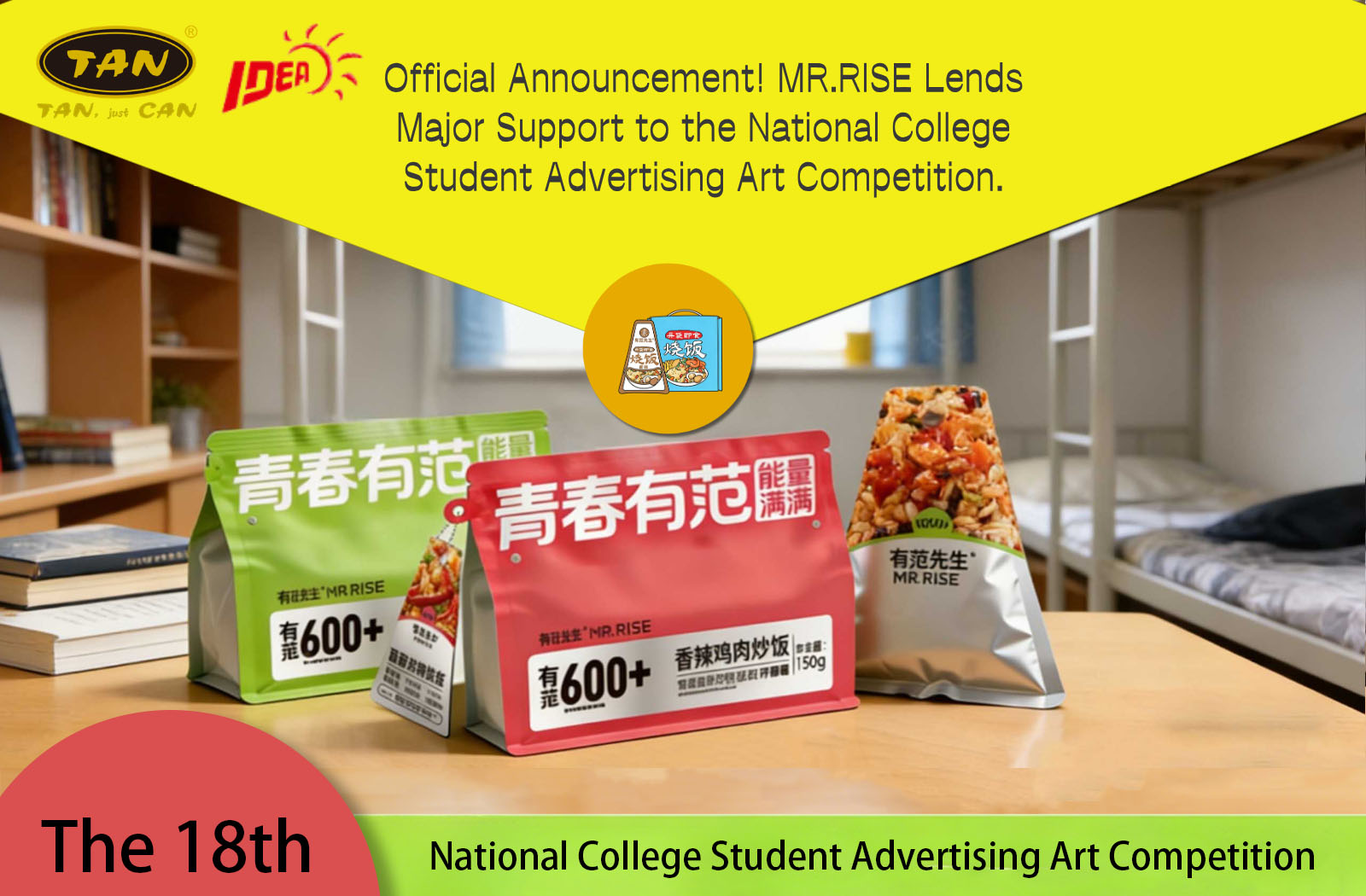
Core Advantage 3: Strategic upgrade, crossing over from cans to ambient ready-to-eat foods. Launching innovative products like "Duxiaoke" instant rice and "Mr. Fan" sushi, covering office, travel, and emergency scenarios.
Core Advantage 4: Global supply chain, green resilience driving rural revitalization. The company drives 55,000 farmers in standardized planting, achieving full-link traceability.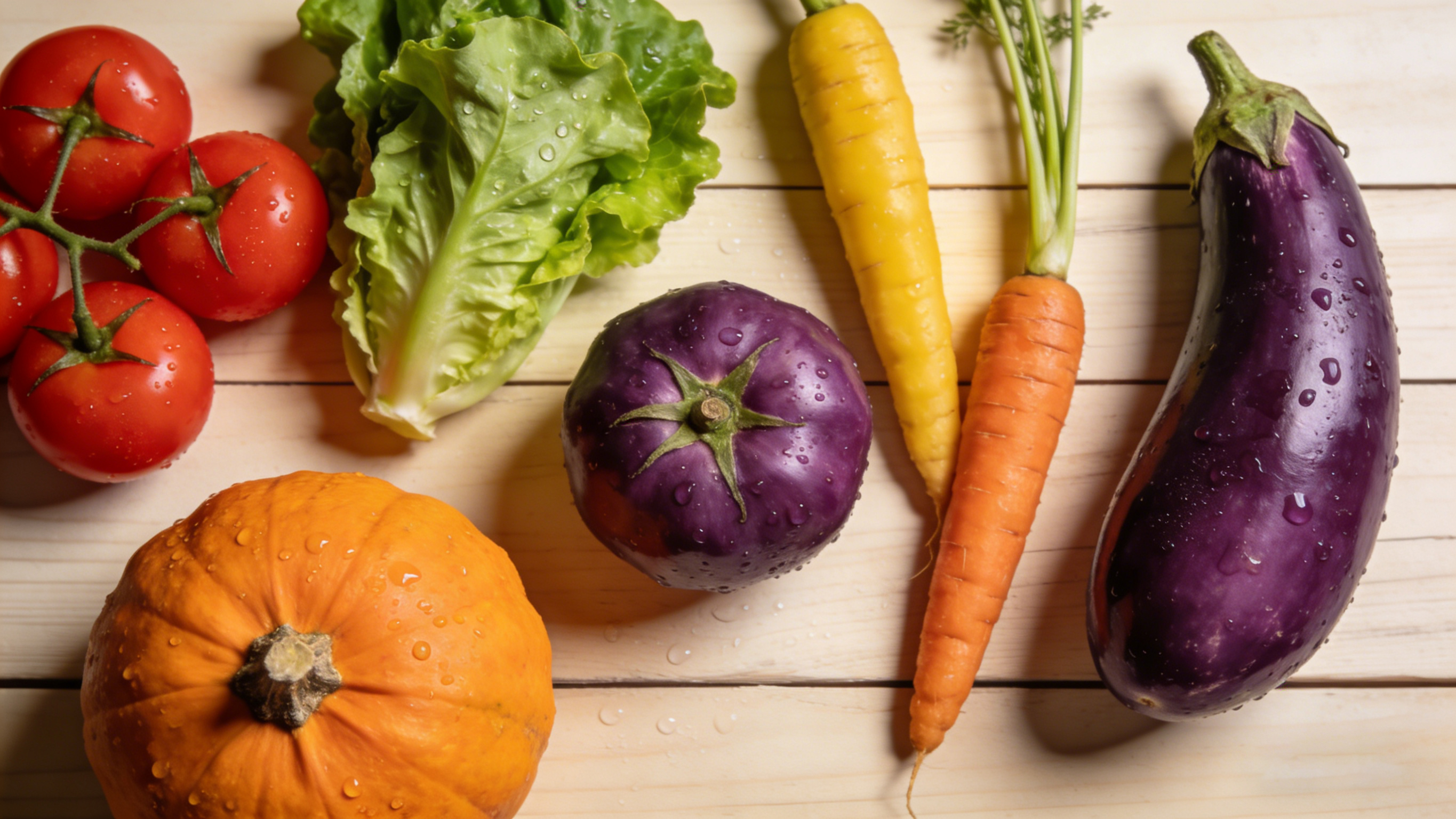
Development Outlook and Industry Enlightenment for Tancan Food 2026-2030
Enterprise Outlook:
Category extension: Consolidate leadership in lychee, mushroom, and corn cans while accelerating global branding of ready-to-eat foods.Market deepening: Strengthen core markets in the US, EU, Japan, ASEAN, and the Middle East.
Supply chain upgrade: Expand green planting bases and deepen digital traceability.
Industry Enlightenment: Technological innovation is the core power to break industry prejudice; green and sustainable supply chains are the "entry ticket" for future global trade.
Conclusion
2026-2030: The global canned food export market will grow steadily under the four main pillars of health, convenience, scenario-based usage, and sustainability. China will continue to lead global exports. Tancan Food: As a standout representative and benchmark, Tancan Food will continue to provide high-quality healthy food to global consumers and contribute to the high-quality development of China's food export trade.



》-01.jpg)
-01.jpg)