
The fast-paced modern lifestyle has driven a shift in dietary demands towards a balance of convenience and health. As a paragon of industrialized production, canned food's nutrient retention capacity is often misunderstood. In fact, leveraging the advantages of immediate sealing and scientific sterilization, canned food processing effectively locks in the core nutrients of ingredients, emerging as a vital choice aligned with modern lifestyles and diets. Based on food science, this article analyzes the nutrient retention mechanism of canned food, explores its practical value for dietary balance, and looks ahead to the industry's nutritional trends over the next five years, providing professional references for both consumers and industry practitioners.
1. Nutrient Retention Mechanism and Scientific Evaluation of Canned Food
In traditional misconceptions, canned food is often regarded as a substitute with low nutritional value. However, numerous food science studies have confirmed that industrial canning processes can seal the biological activity of ingredients within the golden window after harvest. With processing typically completed within hours of harvesting, this immediacy effectively reduces oxidative losses of fresh agricultural products during long-distance transportation and shelf storage. Scientific data shows that essential nutrients such as vitamin C, thiamine, riboflavin and folic acid exhibit extremely high stability in sealed environments. This steady nutrient supply is particularly crucial in modern lifestyles and diets. Through heat treatment, the cell walls of ingredients are moderately broken down, and the bioavailability of certain antioxidants (e.g., lycopene) is significantly enhanced instead. This industrial sealing technology not only ensures food safety but also locks in the nutritional value of ingredients at the micro level, making canned food an important source of trace elements for balancing daily diets.
2. Practical Contribution of Canned Food to Dietary Intake Assurance and Nutritional Sufficiency
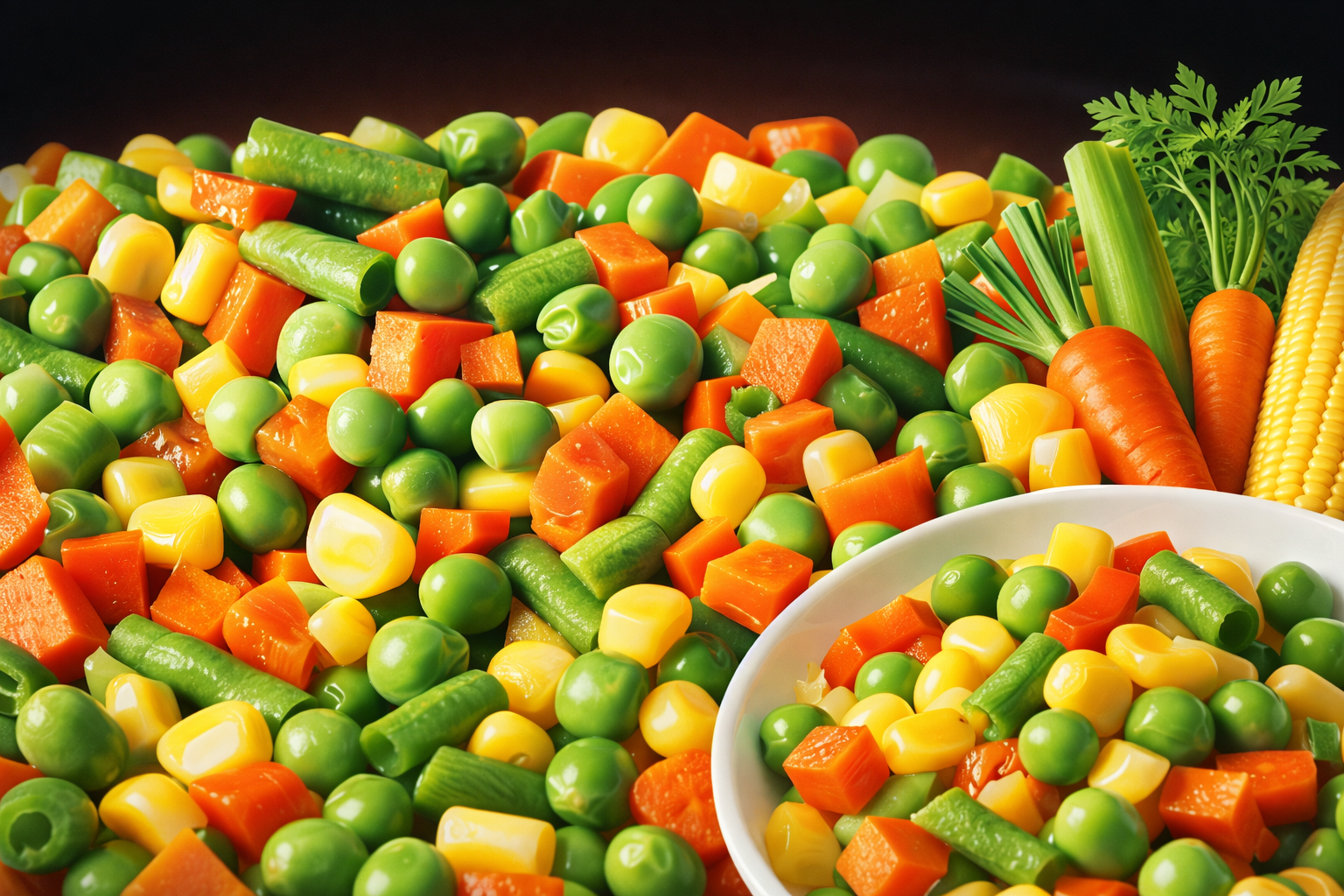
Canned food plays an irreplaceable role in maintaining nutritional sufficiency for the global population. For populations with limited access to fresh agricultural products or in geographically food-scarce areas, the canning industry provides a stable and affordable nutritional solution. Thanks to its long shelf life and ease of storage, it supplies vitamins, minerals and dietary fiber around the clock. This convenience directly supports the achievement of dietary balance, enabling consumers to easily obtain high-quality proteins such as those from fish, legumes and lean meat. When discussing the resilience of modern lifestyles and diets, the essential amino acids provided by canned products are critical for muscle repair and immune system maintenance. It eliminates the seasonal differences of fresh ingredients, ensuring that consumers can still intake sufficient nutrients from fruits and vegetables even in off-seasons. This high accessibility not only raises the overall health benchmark of society but also provides a robust technical support for balanced nutrient intake amid the fast-paced life.
3. Future Nutritional Trends Driven by Low Sodium and Clean Labels
Looking ahead to the industry's evolution over the next five years, canned food is at a critical juncture of transformation towards healthiness. With the awakening of public health awareness, low sodium has become an irreversible nutritional trend. Manufacturers are actively developing reduced-salt formulations, introducing natural flavor extracts to replace the sensory function of sodium salt, aiming to reduce the potential risks of heart disease and hypertension. At the same time, the "clean label" movement is reshaping the ingredient composition of products. Modern consumers are increasingly inclined to choose products with minimal processing traces and transparent, simple ingredient lists. This trend has prompted enterprises to eliminate unnecessary preservatives and artificial additives, shifting to simpler physical preservation methods. This pursuit of transparency and purity reflects the urgent demand of modern lifestyles and diets for high-quality industrial food. Through process optimization, the industry is committed to elevating canned products to a healthier level with more natural attributes without sacrificing taste.
4. Cross-border Integration of Organic Sustainability and Plant-based Trends
Another core driving force of nutritional trends stems from the rise of environmental and ethical consumption. Organic canned products and sustainably sourced raw materials are rapidly capturing market share, reflecting consumers' attention to food traceability and ecological footprint. In the canned food sector, the popularization of organic fruits and vegetables is restructuring the competitive landscape of the high-end market. Simultaneously, the prevalence of plant-based diets has prompted manufacturers to launch a series of innovative meat substitutes and plant protein canned products. These products not only meet the needs of vegan populations but also contribute to carbon emission reduction at the industrial level. In the future, customized and personalized nutrition will also become a growth point for the industry. Data-driven personalized formulation enables canned food to be nutritionally fortified for the metabolic needs of specific populations. This diversified and eco-friendly transformation allows the canning industry to achieve an overall green upgrade of industrial value while adapting to the dietary needs of modern lifestyles.
5. Comprehensive Decision-making for Balancing Processing Technology and Dietary Nutritional Value
Achieving a balance between the convenience and health value of canned food requires consumers to establish a scientific selection logic. Although processing technology can retain most core nutrients, some products may contain added sugar or excessive sodium to adjust flavor. In the daily practice of modern lifestyles and diets, the quality of nutrient intake can be effectively optimized by identifying organic certification, low-sodium claims or no-added-sugar options on labels. Canned products are not an independent dietary solution but a functional module in the overall balanced diet. By rationally combining fresh ingredients with high-quality canned food, the efficiency advantages of industrial food can be maximized. With the continuous penetration of cutting-edge nutritional trends, the canning industry is striving to eliminate public negative prejudices against processed food by continuously reducing the degree of processing and optimizing packaging safety. This continuous fine-tuning between technical efficiency and nutritional logic will ensure that canned products continue to serve as an important link supporting comprehensive health and quality of life in the future landscape of modern food.
About Tan Trading Co., Ltd.
Company Profile
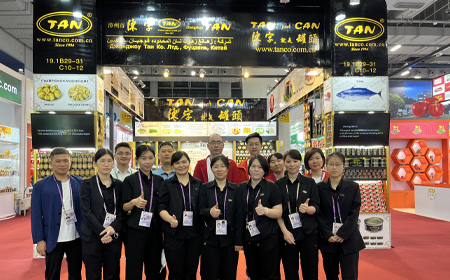
Zhangzhou Tan Trading Co., Ltd. (TAN) was founded in 1994 and is headquartered in Zhangzhou, the "Canned Food Capital of China". Specializing in the R&D and global export of canned fruits, vegetables, seafood, grains, pet food and ambient ready-to-eat food, the company holds complete international compliance certifications (BRC, IFS, HACCP, etc.).
Headquartered in Zhangzhou, Fujian Province, Zhangzhou Tan Trading Co., Ltd. is a professional canned food export enterprise. Established in September 2003, it has developed into one of the leading enterprises in China's canned food export industry. Below is a detailed introduction to the company:
Company Overview
Founded in September 2003, the company is the first private foreign trade circulation enterprise in Zhangzhou City.
Core Business: Specializing in the export trade of various canned food products, its complete industrial chain from "farm to table" has driven the income growth of numerous manufacturing enterprises and farmers.
Core Business and Market
Main Products: Canned food and ambient ready-to-eat food.
- Canned food: Covering three major categories of mushrooms, corn and litchi, the company also exports canned fish such as sardines and mackerel, as well as bamboo shoots and tuna.
- Ambient ready-to-eat food: The company has also innovatively launched ready-to-eat staple food cans such as "Duxiakexia Braised Rice", "Youfan Xiansheng" Sushi and instant fried rice to meet new market demands.
Global Market: The company's products have been exported to 146 countries and regions worldwide, covering all countries along the "Belt and Road" initiative.
Industry Status: Tan Trading is a leading enterprise in China's canned food export, with its consumer canned food export volume ranking second in the country for many years. In multiple single product sectors, the company is a leader in the global market: its litchi canned export volume has ranked first in the world for 14 consecutive years, and its mushroom and corn canned export volumes have also maintained the first place in China for many consecutive years.
Economic Contribution: As a leading enterprise in the foreign trade circulation sector, Tan Trading accounts for an important share of Zhangzhou's export volume and has ranked first in export among Zhangzhou's foreign trade circulation enterprises for many consecutive years. In 2022, the company's canned food export volume accounted for 2.4% of the total export volume of consumer canned food in China.
Social Responsibility
Through the "company + base + farmer" model, the company has effectively driven the development of upstream agriculture and increased farmers' income, benefiting a total of more than 80 manufacturing enterprises and about 55,000 farmers.
Official Website: https://www.tancanfood.cn/home
FAQ
Q1: How does canned food retain vitamins during production?
A: Canned food is usually processed directly at the peak of harvest when ingredients have the richest nutrition. By quickly sealing in an anaerobic environment and undergoing precise temperature-controlled sterilization, heat-sensitive nutrients such as vitamin C and folic acid can be effectively locked in. In modern lifestyles and diets, its nutrient retention rate is often higher than that of fresh agricultural products after long-distance transportation.
Q2: What is the biggest nutritional change in the canned food industry over the next five years?
A: The core nutritional trends will revolve around "low sodium" and "clean labels". Manufacturers will adopt more salt-free packaging methods and eliminate artificial additives to meet consumers' ultimate pursuit of heart health and natural ingredients.
A: The core nutritional trends will revolve around "low sodium" and "clean labels". Manufacturers will adopt more salt-free packaging methods and eliminate artificial additives to meet consumers' ultimate pursuit of heart health and natural ingredients.
Q3: How does canned food help achieve dietary balance?
A: It provides a range of ready-to-eat high-protein sources (e.g., legumes, fish) and high-fiber sources (e.g., canned vegetables). This modular supply method simplifies dietary planning, enabling people to quickly build a balanced nutritional combination amid the busy modern lifestyles and diets.
A: It provides a range of ready-to-eat high-protein sources (e.g., legumes, fish) and high-fiber sources (e.g., canned vegetables). This modular supply method simplifies dietary planning, enabling people to quickly build a balanced nutritional combination amid the busy modern lifestyles and diets.
Q4: Are plant-based and organic options common in the canned food industry?
A: Yes. With the popularization of the concept of sustainable development, organic canned fruits and vegetables and plant-based meat cans are becoming new benchmarks in the industry. This reflects the global trend of dietary structure transformation towards greater environmental protection and low carbon emissions.
A: Yes. With the popularization of the concept of sustainable development, organic canned fruits and vegetables and plant-based meat cans are becoming new benchmarks in the industry. This reflects the global trend of dietary structure transformation towards greater environmental protection and low carbon emissions.
Q5: What health details should consumers pay attention to when buying canned food?
A: It is recommended to pay attention to the nutrition labels on the packaging. Prioritize water-packed rather than oil-packed products, those with no added sugar, and products labeled as low-sodium or salt-free. This refined selection helps maintain the health attributes of modern lifestyles and diets while enjoying convenience.
A: It is recommended to pay attention to the nutrition labels on the packaging. Prioritize water-packed rather than oil-packed products, those with no added sugar, and products labeled as low-sodium or salt-free. This refined selection helps maintain the health attributes of modern lifestyles and diets while enjoying convenience.
Q6: Can canned food be used as a long-term nutritional source?
A: Yes. As a stable functional ingredient, canned food can ensure a continuous supply of trace elements. Combined with cutting-edge nutritional trends, by choosing products fortified with specific nutrients or from organic sources, it can become an efficient resource for maintaining long-term stable physical functions.
A: Yes. As a stable functional ingredient, canned food can ensure a continuous supply of trace elements. Combined with cutting-edge nutritional trends, by choosing products fortified with specific nutrients or from organic sources, it can become an efficient resource for maintaining long-term stable physical functions.

Your email address will not be published. Required fields are marked*



》-01.jpg)
-01.jpg)