
ZHANGZHOU, CHINA – In the global trade system, canned foods manufactured in China have consistently been the top choice for supermarkets, distributors, and catering channels worldwide, thanks to their stable quality, highly competitive pricing, and robust compliance systems. However, because food trade involves extremely complex import/export regulations, sanitary quarantine, and logistics safety, a standardized process for importing Chinese canned goods is essential. As a leading enterprise in Chinese canned food exports, Tancan Food (Zhangzhou Chenzi Trading Co., Ltd.) has summarized the following practical guide covering four core stages.
Strategic Sourcing and Precise Inquiry—Locking in Core Competitiveness at the Source
Deeply Screen Tier-1 Manufacturers with International Qualifications
The first step of importing is not looking at the price, but checking the "identity." In China, while canning factories are numerous, enterprises that can truly export to high-standard markets such as Europe, America, and the Middle East must possess international certifications such as BRC, IFS, and HACCP. As a leader with 30 years of deep industry experience, Chenzi Trading is headquartered in Zhangzhou, the "Canned Food Capital of China." Beyond its own comprehensive qualifications, it integrates more than 80 collaborative factories. Buyers should prioritize suppliers through corporate background checks (such as customs export rankings and historical transaction volumes). Choosing a company like Tancan Food, whose annual export volume consistently ranks among the top in the country, fundamentally avoids food safety risks and supply chain disruption risks.
Prepare a Professional and Detailed Spec Sheet
An inefficient inquiry usually only contains "how much per ton." A professional canned food inquiry must include: product specifications (e.g., 425g/825g), Net Weight and Drained Weight, cutting method (slices, pieces, dice), sugar content (Brix) or brine ratio, packaging format (tin cans, glass jars, carton specifications), and expected annual purchase volume. Tancan Food’s sales experts provide precise quotes based on these details. Details determine cost; for example, a slight difference in drained weight can lead to a 5%-10% fluctuation in unit price. Clear technical parameters allow suppliers to quickly recognize your professionalism and provide the most competitive "real price."
Request Samples and Conduct Multi-dimensional Laboratory Testing
Before placing a formal order, sample confirmation is an indispensable step. Buyers should require suppliers to provide multiple samples from the same batch, not only for taste and appearance evaluation but also for submission to third-party laboratories (such as SGS or Intertek) to test for pesticide residues, heavy metals, and the presence of additives prohibited by the importing country. Tancan Food adheres to the principle that "the sample is the mass production," ensuring that mass-produced products are highly consistent with confirmed samples in physical and chemical indicators. For international food buyers, this step is the strongest barrier to ensuring compliance with local health regulations and the legal cornerstone for any future quality disputes.
Business Negotiation and Financial Security—Building Legal and Financial Firewalls
Scientifically Select Trade Terms (Incoterms 2020)
In international trade contracts, the choice of trade terms is directly related to risk division and cost control. Generally, FOB (Free on Board) allows buyers to have more flexible ocean freight bargaining power and logistics control; for first-time importers or buyers with scarce logistics resources, CIF (Cost, Insurance, and Freight) is more convenient, with Chenzi Trading arranging the logistics. We need to make a choice based on our own logistics integration capabilities. Utilizing its geographical advantages at Zhangzhou Port and Xiamen Port, Chenzi Trading can provide highly advantageous freight solutions to help partners maximize cost-effectiveness in cross-border long-distance transportation.
Establish a Mutually Trustworthy and Secure Financial Settlement System
Food trade involves large capital flows, and financial security is core. Common settlement methods include T/T (Telegraphic Transfer) and L/C (Letter of Credit). For new customers, Chenzi Trading usually suggests a "30% deposit + 70% balance against B/L copy" model, which is a standard practice for balancing risks for both parties in global trade. For long-term strategic partners with good credit records, we can also discuss more flexible payment terms such as O/A (Open Account). Regardless of the method, clear banking paths and rigorous contract terms are safeguards. Chenzi Trading has been rated as a Grade-A taxpayer and an honest enterprise for many years, providing brand endorsement for every penny of the buyer's investment.
Rigorously Draft Purchase Contracts Covering Breach of Contract Compensation
A complete international trade contract should cover product standards, packaging requirements, delivery dates, force majeure clauses, and the place of arbitration for quality disputes. Chenzi Trading recommends clarifying the rights to "label preview" and "pre-shipment inspection" in the contract. Especially for Private Label customers, the contract should also protect intellectual property. Our professional legal team will cooperate with buyers to optimize contract terms, ensuring that both parties have a basis to follow if accidents occur during long-distance transportation or customs clearance. This compliant business mindset is key to Chenzi Trading exporting to 146 countries without major legal disputes.
Production Monitoring, Inspection, and Logistics Dispatch—The Pursuit of Ultimate Execution
Seasonal Planning and Scheduling of Production Cycles
Canned foods are highly seasonal (e.g., lychees in May-June, mushrooms in November-March). A precise import process must coordinate with the growth cycle of agricultural products. Buyers should communicate their annual purchase plans with Chenzi Trading 3-6 months in advance. Through the "Company + Base" model, we prioritize securing quotas for core customers during peak seasons. During production, we regularly synchronize production progress and quality reports with customers. Understanding the production logic of canned products helps buyers avoid the embarrassment of high-priced procurement during stockout periods and ensures the continuous supply capability of the global distribution chain.
Execute Rigorous Pre-shipment Inspection (PSI)
It is an international practice for third-party organizations to conduct sampling before containers leave the factory. The inspection includes: randomly opening cans to check weight and taste, checking the burst strength of cartons, verifying label printing quality, and the seal numbers of loaded containers. Tancan Food has a complete internal quality control laboratory and fully cooperates with the on-site audits of organizations such as SGS. This open attitude toward quality control greatly reduces the probability of goods being rejected after arriving at the destination port. For procurement managers, this is not only a guarantee of product quality but also protection for their professional reputation and corporate assets.
Professional Container Loading and Logistics Path Optimization
Canned goods are heavy and sensitive to compression. Chenzi Trading applies advanced stacking technologies and reinforcement solutions (such as using airbags and corner protectors) during the loading process. In logistics dispatching, we select the optimal shipping company for customers based on ocean freight trends and route efficiency. For example, for goods headed to the Central Asian market, we utilize the "Belt and Road" China-Europe Railway Express for fast land transportation; for those headed to Africa or South America, we screen for voyages with the fewest transshipment points. Through refined logistics management, Chenzi Trading helps partners shorten capital occupation cycles and improve the overall inventory turnover rate of the supply chain.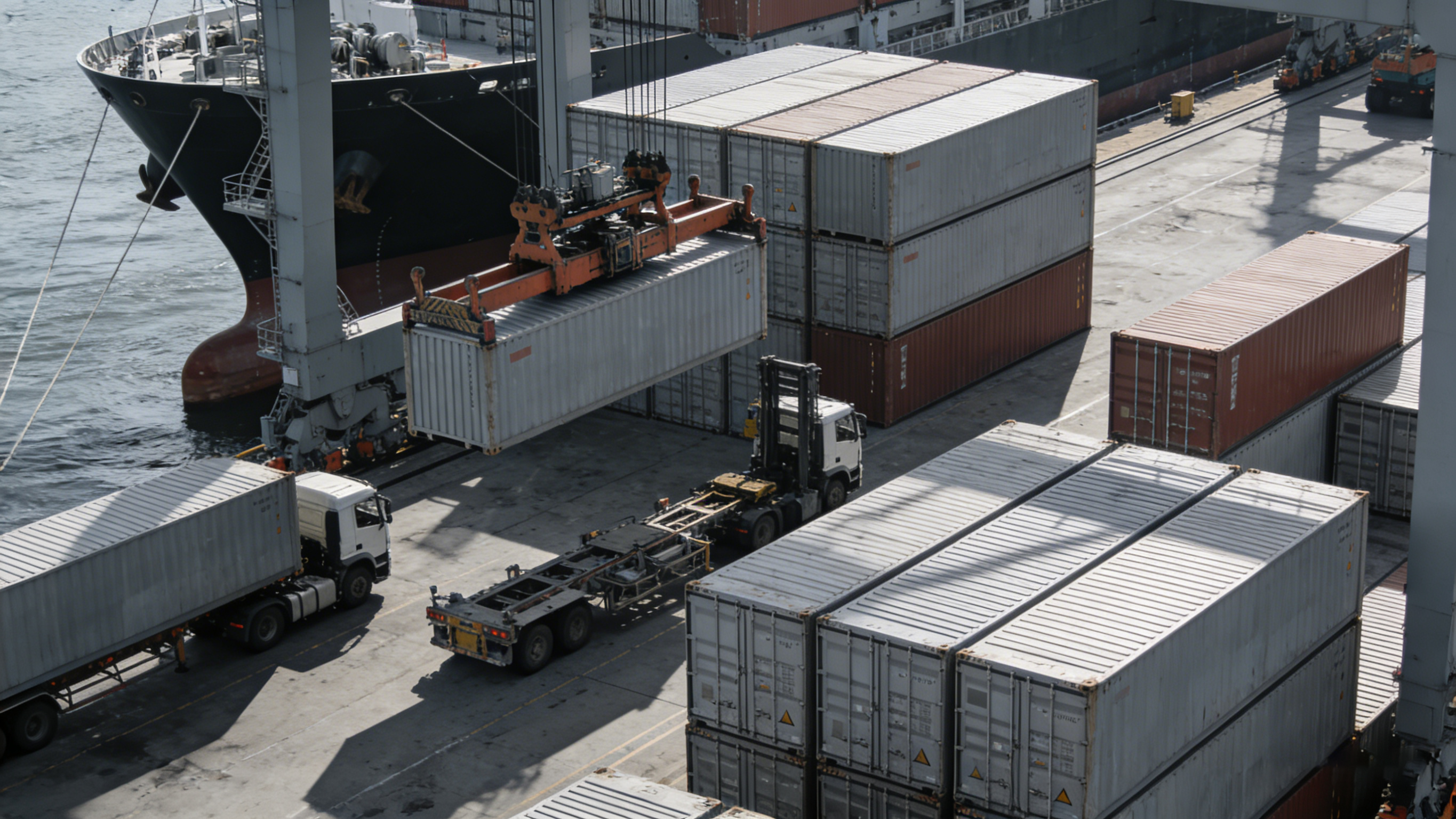
Label Compliance, Document Processing, and Port Clearance—The Decisive Point of the Last Mile
Deeply Audit Labeling Compliance of the Importing Country
Labeling errors are the number one reason for food being detained or returned by customs. Each country has different requirements for Nutrition Facts, net content labeling, production date formats, country of origin statements, and importer information. Chenzi Trading's design team has rich international compliance experience and can pre-audit labels for customers according to FDA (US), EFSA (EU), or ESMA (Middle East) standards. Obtaining confirmation from the buyer's local customs broker before printing is a golden rule in food clearance guides. The customized OEM label support provided by Chenzi Trading ensures that products can enter local retail shelves 100% legally.
Prepare Complete and Precise "Full Sets of Clearance Documents"
Food clearance requires extremely high document accuracy. A standard document package usually includes: Bill of Lading (B/L), Commercial Invoice, Packing List, Certificate of Origin (C/O or Form E), Health Certificate, and Phytosanitary Certificate. For specific canned fish, a Catch Certificate is also required. Chenzi Trading's documentation team is well-versed in the requirements of various ports worldwide, ensuring that document information matches the labels and physical goods in the container. This efficient document processing capability is a core competitiveness of Chenzi Trading as a leading canned food exporter.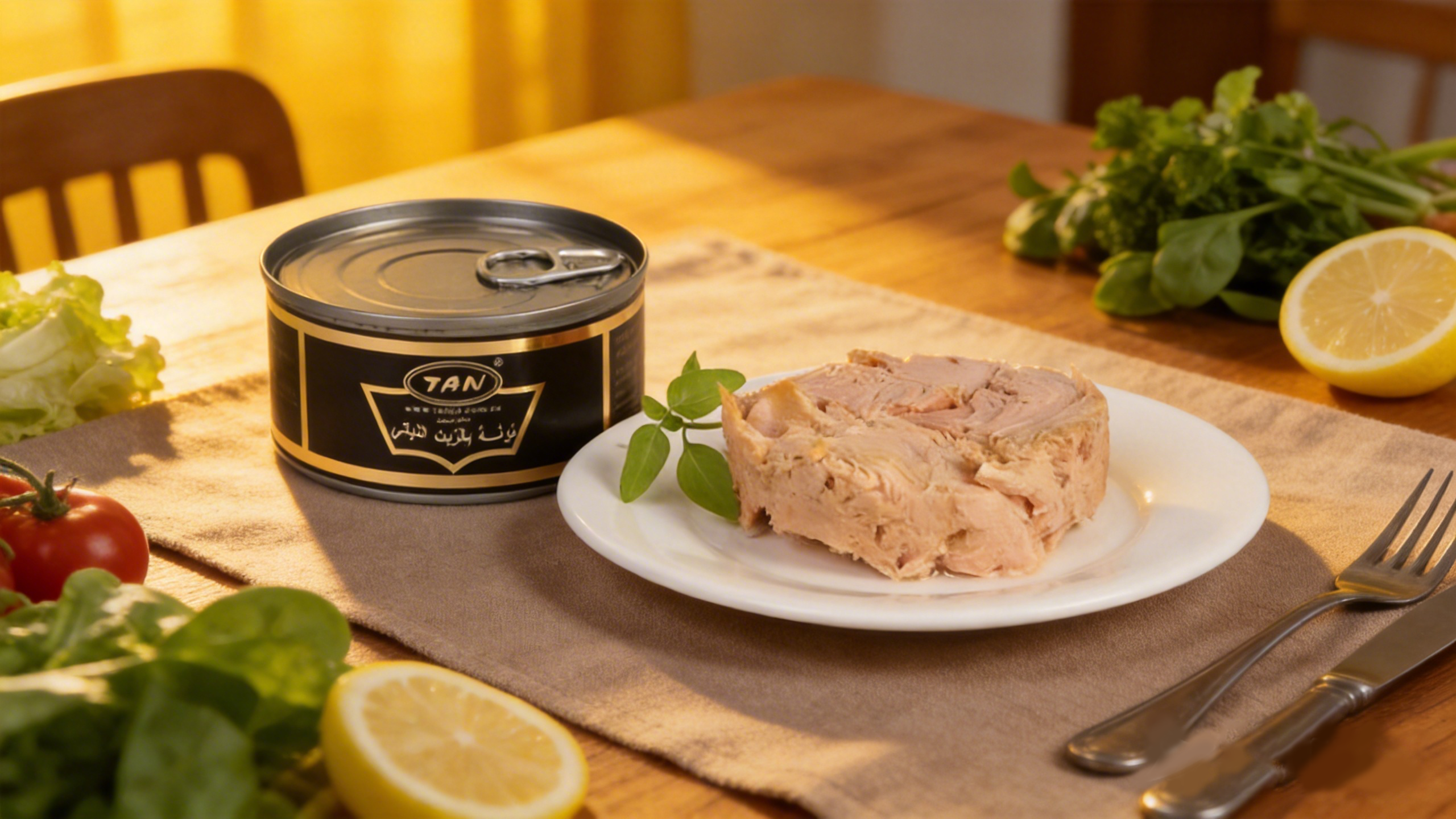
Handling Customs Inspections and Utilizing Tariff Preference Policies
Before the goods arrive at the port, the buyer should submit pre-declaration information to the local clearance agent. Chenzi Trading provides all necessary product specifications and ingredient lists to assist customs in accurate HS code classification. Additionally, we must actively utilize free trade agreements (such as RCEP, China-Australia FTA, etc.) to obtain tariff reductions. Chenzi Trading proactively issues preferential certificates of origin for eligible orders, directly lowering the buyer's comprehensive import cost. In the complex global trade game, the addition of such professional details allows Chinese-made canned food to show stronger price attraction and brand vitality in overseas markets.
Conclusion
Importing Chinese canned food is a comprehensive systemic project involving agriculture, industry, law, and logistics. From confirming specifications during the initial inquiry to risk control design in business negotiations, quality commitment under production monitoring, and documentation precision in the clearance stage, every step is interlinked. With practical experience exporting to 146 countries, Tancan Food not only provides cost-effective food ingredients but is also committed to providing partners with trade certainty throughout the entire process. By following this clearance guide, global buyers can not only benefit from China as the "World's Kitchen" but also build a robust, transparent, and sustainable modern food supply chain.
Company Profile
Zhangzhou Chenzi Trading Co., Ltd. (TAN) was established in 1994, with headquarters in Zhangzhou, the "Canned Food Capital of China." The company focuses on the R&D and global export of canned fruits, vegetables, seafood, grains, pet food, and ambient ready-to-eat foods, possessing complete international compliance qualifications (BRC, IFS, HACCP, etc.).
Since its establishment in 2003 (as an export entity), Chenzi Trading has developed into one of the leading enterprises in Chinese canned food exports. The company's products have been exported to 146 countries and regions, covering all countries along the "Belt and Road." Chenzi Trading is a leader in Chinese canned food exports, with its export volume of consumer canned goods consistently ranking second in the country for many years. In several individual product categories, the company is a global market leader: the export volume of canned lychees has ranked first in the world for 14 consecutive years, and the export volumes of canned mushrooms and corn have also maintained the national top spot for many years. Through the "Company + Base + Farmer" model, the company effectively drives upstream agricultural development and increases farmers' income, cumulatively driving more than 80 production enterprises and approximately 55,000 farmers.
Official Website: https://www.tancanfood.cn/home
FAQ
Q1: How does canned food affect global culinary exchange?
A: Canned food standardizes the output of flavors from specific origins through efficient supply chains. For example, through Tancan Food's process guidance, high-quality canned lychees can be shipped from Zhangzhou to Europe, allowing local consumers to experience authentic Chinese flavors regardless of seasonal restrictions.
Q2: How to ensure labels comply with local regulations when importing Chinese canned food?
A: The key lies in pre-auditing. Chenzi Trading's design team provides samples based on FDA, EU, and other standards. We suggest buyers submit these to local clearance agents or official agencies for confirmation before formal printing. This is the most important step to avoid food clearance risks.
Q3: Why does Chenzi Trading emphasize BRC and IFS certifications?
A: These certifications are mandatory thresholds for entering mainstream global supermarkets (such as Lidl, Walmart). For international traders, enterprises with these qualifications mean their factories have reached world-class levels in hygiene control, disaster management, and quality consistency.
Q4: What are the core document requirements for canned food clearance in the North American and European markets?
A: Besides basic documents, North America usually requires an FDA registration number and FCE/SID codes; Europe places great importance on Health Certificates and heavy metal detection reports. Chenzi Trading's documentation team has extensive experience in handling these high-difficulty documents.
Q5: Why does canned food perform excellently in addressing food security?
A: Because of its long shelf life and ambient storage characteristics, it has the lowest dependence on logistics conditions in complex international trade processes and can serve as long-term nutritional reserves after arriving at the destination, effectively alleviating local food fluctuations.
Q6: How does the modern canned food industry use free trade agreements (such as RCEP) to reduce costs?
A: By requesting a "Preferential Certificate of Origin" from Chenzi Trading, buyers can enjoy tariff reductions or zero tariffs when clearing customs in their own country. This is an important financial strategy to enhance the competitiveness of food procurement.
Q7: How does Chenzi Trading ensure the delivery of large orders during peak production seasons?
A: We lock in raw materials through the "Company + Base" model. We suggest buyers establish an "Annual Purchase Forecast" mechanism to assist Tancan Food in arranging production in advance, ensuring stable supply during peak periods for seasonal products like lychees and mushrooms.
Q8: Where are the main global canned food manufacturers concentrated? What are the characteristics of each cluster?
A: They are mainly concentrated in North America, Europe, and Asia. China (especially Zhangzhou) is known for its full-category supply chain integration and high cost-performance ratio. As a leading foreign trade enterprise in Zhangzhou, Chenzi Trading has demonstrated extremely strong comprehensive fulfillment capabilities in global trade across 146 countries.



》-01.jpg)
-01.jpg)