
Introduction: Globalization Trend of Canned Food
Canned food has played an irreplaceable role in advancing globalization. As a triumph of food preservation technology, it serves as a core force promoting global culinary exchange, expanding international trade, and shaping modern food culture. This paper explores the deep coupling between canned food and globalization, with a special focus on its profound impact on North American and European markets. By analyzing historical insights, production statistics, and industry trends, we clearly see how canned food breaks geographical boundaries, strengthens connectivity in the global food system, and drives sustainable economic growth. As a key segment of the B2B industry, the canning industry embodies a perfect blend of technological innovation and market expansion.
Canned Food and Culinary Exchange: A Taste Bridge Across Borders
Canned food has long been a powerful catalyst for global culinary exchange. In the past, perishability and seasonal limits confined regional flavors to their places of origin. Mature canning technology enabled large-scale cross-border distribution of signature seasonings, specialty ingredients, and processing techniques. By faithfully preserving ingredients for extended periods, canned products let consumers experience exotic flavors year-round, greatly broadening public culinary horizons.
This deep flavor fusion enriches national food cultures and contributes to the diversity of global cuisine. For instance, Asian spices and Latin American beans have entered European households via food exports, transforming local diets and spawning fusion cuisines. For food processors, this exchange means broader market demand and diversified R&D directions, allowing brands to pursue international value while satisfying global consumers’ desire for novelty.
Global Trade and Economic Growth: Engine of Industrial Expansion
Canned food is vital to expanding global trade and macroeconomic growth. With exceptional shelf life and transport durability, canned goods were among the most stable commodities in early globalization. Their exportability to emerging markets generated substantial revenue and stimulated industrialized upstream agriculture, forming a complete industrial chain.
In North America and Europe, the booming food processing industry is closely tied to canned food trade. Requiring no expensive cold chain for ocean shipping, canned products drastically lower logistics costs and market entry barriers. This low-risk, high-efficiency model drives growth in supporting industries such as mining, packaging design, and warehousing. For B2B enterprises pursuing internationalization, canned food trade delivers profits and builds global credibility and standards, fueling long-term regional prosperity.
North America: Production Hub and Export Pioneer
North America, especially the U.S. and Canada, has long been a global hub for canned food. Advanced agricultural infrastructure and automated production lines have shaped its global influence. Meats, fruits, vegetables, and prepared dishes from North American factories reach every continent via mature supply chains, meeting demand for high-quality preserved food worldwide.
Data shows steady growth in North American canned food output over recent decades, reflecting both rich agricultural resources and leading processing technology. Strict management and large-scale operations have lowered costs for global consumers. As a global export leader, North America sets industry standards and drives the normalization of global food processing, demonstrating strong competitiveness and influence.
Europe: Rich Tradition and Benchmark of Quality
Europe boasts deep historical roots in canning. From early 19th-century France, where canning originated, to modern seafood specialists in Spain and produce processors in Italy, European nations remain at the industry forefront. Respect for culinary traditions and strict quality standards have earned European cans a global reputation for premium authenticity.
By combining traditional recipes with modern technology, European canned goods evolved from emergency supplies to refined dining ingredients. They hold significant shares in high-end food exports. This commitment to quality preserves European culinary identity amid globalization and sets a benchmark for branding and quality control worldwide. Europe’s success proves that preserving regional flavors through innovation is key to competitiveness.
Global Distribution of Canned Food Manufacturers
Global canning manufacturers show a pattern of regional clustering and industrial synergy, concentrated in three core regions: North America, Europe, and Asia. Each cluster leverages resources, technology, and demand to form distinctive industrial bases supporting global expansion.
North America
Centered on the U.S. and Canada, large-scale clusters thrive. California and Iowa focus on fruits and vegetables (tomatoes, corn, peas); Minnesota and Texas specialize in meat (including Hormel and other famous brands), with full supply chains from sourcing to global distribution. Ontario and Quebec in Canada focus on seafood and produce, exporting mainly to Europe and Asia.
Europe
Europe features national specialization clusters. Brittany, France, is known for seafood (sardines, tuna) with century-old craftsmanship. Cantabria and Galicia, Spain, are European seafood hubs supplying global high-end markets. Emilia-Romagna and Sicily, Italy, focus on produce and meat with traditional flavors and modern techniques. North Rhine-Westphalia, Germany, leads in processing equipment and R&D.
Asia
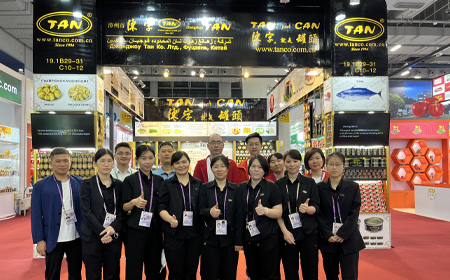
Led by China, Thailand, and Japan, Asia has diverse clusters. As a top global producer and exporter, China’s key bases are in Zhangzhou (Canning Capital of China), Taizhou, and Zhanjiang. Zhangzhou hosts leading enterprises including Tancan Food, exporting fruits, vegetables, and seafood to over 100 countries. Thailand’s Bangkok and Chonburi specialize in tropical fruits (mango, pineapple). Japan’s Hokkaido and Kyushu focus on premium ready-to-eat seafood from brands like Nissin and Mitsubishi Foods.
Smaller clusters exist in South America (Brazil, Argentina – meat) and Oceania (Australia, New Zealand – premium organic seafood), forming a three-core, multi-supplement global structure.
Culinary Impact and Consumer Preferences: Reshaping Modern Dining
Canned food has profoundly transformed global eating habits. Fast-paced lifestyles drive demand for convenient, tasty ingredients. Canned staples let households replicate international dishes regardless of season or location, from Mediterranean tomato sauce to tropical fruits.
This convenience makes canned goods household staples, cutting meal prep time and raising awareness of global cuisine. For B2B suppliers, shifting preferences require balancing convenience and authenticity. As a medium, canned food connects eating habits worldwide, turning modern food culture into an interconnected, dynamic system.
Technological Progress and Quality Assurance: Cornerstone of Safety
Continuous innovation in canning technology powers global expansion. Modern industry uses advanced sterilization, automatic monitoring, and strict hygiene standards to greatly improve quality and safety. Pasteurization and high-pressure heat treatment ensure food safety and long shelf life without contamination.
These advances build consumer trust and ease market access. International certifications (HACCP, ISO) are foundational for B2B cooperation. Strict quality control ensures consistent flavor worldwide and elevates industry standards. Technological breakthroughs preserve nutrition while enabling large-scale global distribution.
Global Availability and Accessibility: Guardian of Food Security
Canned food offers unmatched advantages for global food security. Long shelf life, easy storage, and no refrigeration make it essential in natural disasters, poverty relief, and emergency response. It provides stable nutrition in remote villages and disaster-hit cities.
High accessibility makes canned food central to humanitarian aid. It shows strong resilience against climate shocks and supply chain disruptions. Beyond being a consumer good, it is strategic material for social stability and basic survival. Optimized distribution and lower costs help build a more inclusive, resilient global food system.
Future Trends and Sustainability: Toward a Green Industry
Deepening globalization places the canning industry at a transformative crossroads. Sustainability is core amid rising environmental awareness. Enterprises develop eco-friendly packaging (highly recyclable metal cans, thinning technology) and reduce water waste and carbon emissions.
Demand for local, artisanal canned flavors is also growing, reflecting a balance between global convenience and traditional craft. The future will see global scale and personalized demand coexisting. Embracing circular economy and transparent supply chains, canned food will remain a symbol of culinary innovation and sustainable living in the evolving global food landscape.
Conclusion
In summary, as a catalyst for globalization, canned food is indispensable to culinary exchange, regional growth, and global food connectivity. North America and Europe define modern convenience and diversity through technology and standards. Through innovation and sustainability, canned food solves preservation challenges and builds a cross-border taste community. In future globalization, the canning industry will remain a stable link between tradition and modernity, local and global.
About Tancan Food
Zhangzhou Tancan Trading Co., Ltd. is a professional canned food exporter based in Zhangzhou, Fujian. Founded in 2003, it has become a leading Chinese canned food exporter.
Company Profile
- Founded: September 2003, Zhangzhou’s first private foreign trade enterprise, founded by Chen Junxing with over 30 years of international trade experience.
- Core Business: Professional export of canned food, with a full “from farm to table” chain benefiting producers and farmers.
Core Business & Markets
- Main Products: Canned food and ambient ready-to-eat food.
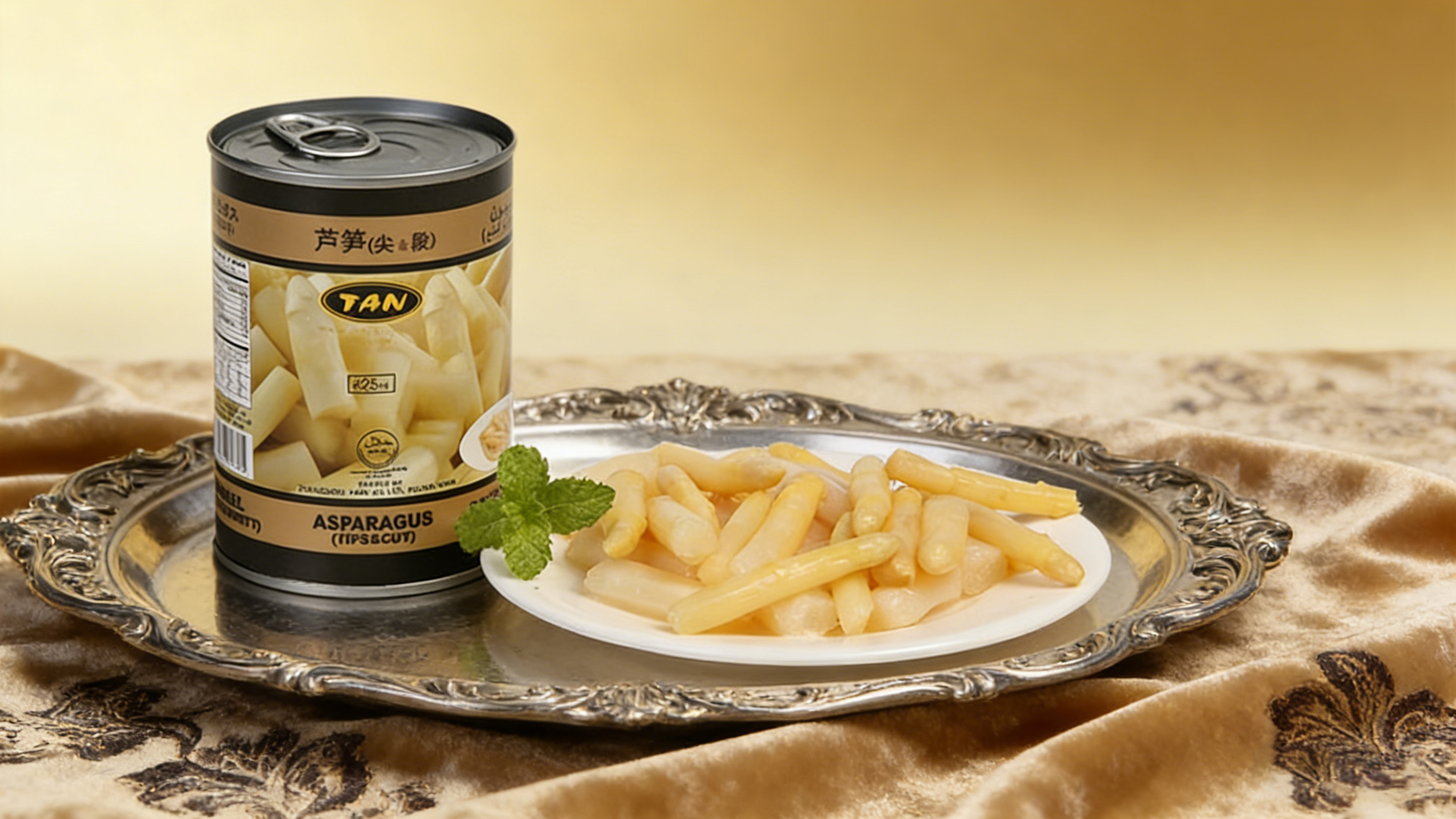
- Canned Food: Mushrooms, corn, lychees, sardines, mackerel, bamboo shoots, tuna, etc.
- Ready-to-Eat: Ready-to-serve meals such as Duxiaoke Braised Rice, Youfan Mr. Sushi, and instant fried rice.
- Global Markets: Exported to 146 countries and regions, covering all Belt and Road countries.
- Industry Status: Top Chinese canned food exporter; consumer canned goods rank No. 2 nationally. Lychee exports No. 1 globally for 14 consecutive years; mushrooms and corn also led national exports for years.
Industry Recognition & Social Contribution
- Certifications & Honors: National High-Quality Agricultural Trade Base, Customs AEO Advanced Certification, Fujian Key International Brand. Standing council member of China Can Industry Association, co‑drafting mackerel group standards.
- Economic Contribution: Zhangzhou’s top foreign trade exporter for years; 2.4% of China’s consumer canned exports in 2022.
- Social Responsibility: “Company + Base + Farmers” model supports over 80 producers and 55,000 farmers. Donated ¥330,000 in supplies to the 2025 Tibet earthquake.
FAQ
Q1: How does canned food influence global culinary exchange?
A: It preserves and distributes regional flavors, seasonings, and ingredients across borders, overcoming seasonal and geographical limits.
Q2: What is North America’s role in canned food production?
A: A major global hub with automated manufacturing and agricultural resources, leading both domestic supply and international exports.
Q3: Why is canned food excellent for food security?
A: Long shelf life, portability, and no cold chain needs make it ideal for emergencies and remote areas.
Q4: How does the modern canning industry pursue sustainability?
A: Using 100% recyclable metal, energy-efficient production, and reducing supply chain waste.
Q5: What are European canned food strengths?
A: Long culinary tradition and strict quality control, making seafood, produce, and meat premium and authentic.
Q6: What are key safety measures in canning?
A: Pasteurization, high-pressure heat treatment, and vacuum sealing enable long, additive-free shelf life.
Q7: Where are major global canning clusters?
A: North America (large-scale produce/meat), Europe (premium traditional seafood/produce), Asia (China full-range, Thailand tropical fruits, Japan high-end RTE).
Your email address will not be published. Required fields are marked*



》-01.jpg)
-01.jpg)