
The global demand for canned seafood continues to rise. With its high-protein, low-fat nutritional profile and convenient storage advantages, it has become a "hot category" in cross-border trade. With the market maintaining double-digit annual growth, many international buyers are entering the space. For these buyers, procurement involves multiple dimensions: market analysis, supplier screening, quality control, compliance, and logistics coordination. Each decision directly impacts partnership success and market competitiveness.
This article systematically organizes core procurement techniques, focusing on supplier selection standards—from initial market research to final implementation—providing a detailed roadmap to help buyers mitigate risks, optimize costs, and successfully navigate the global canned seafood market.
I. Market Analysis: Defining Demand and Procurement Direction
1. Niche Segmentation and Product Matching
Canned seafood is no longer limited to household consumption; demand in foodservice, outdoor supplies, emergency reserves, and custom gifting is growing.
-
Household/Retail: Focus on 150g–500g portable retail packs. Classic flavors like sardines, mackerel, or tuna in brine/tomato sauce are preferred, balancing cost-effectiveness with attractive packaging.
-
B2B/Foodservice: Focus on 10kg+ bulk packs. Prioritize shellfish or fish chunks with stable flavor profiles and heat resistance, ensuring standardized specifications for large-scale processing.
-
Outdoor & Emergency: Prioritize long shelf-life, high-pressure sealing, and compact packaging. Focus on nutrient density and features like waterproof or crush-resistant packaging.
2. Health Trends and Core Selling Points
Consumers are shifting from "convenience" to "health, safety, and nutrition."
-
Process Excellence: Prioritize products using "preservative-free," "low-temperature freshness locking," and "vacuum sealing" technologies.
-
Regional Preferences:
-
Europe/North America: Low-fat, low-salt, organic formulas.
-
Southeast Asia: Spicy, curry, or bold flavor profiles.
-
East Asia (Japan/Korea): Mild flavors and small, independent portions.
-
-
Clean Labeling: Ensure clear, compliant ingredient lists and nutrition facts that meet local regulatory standards.
3. Anticipating Market Fluctuations and Timing
-
Raw Material Costs: Prices fluctuate based on fishing seasons, oceanic policies, and climate. For example, sardine and mackerel prices are lower in summer during peak catch. Procurement should ideally lock in supply via framework agreements 3–6 months before peak seasons.
-
Logistics Timing: Monitor global supply chain dynamics (fuel prices, port congestion). Stocking up during shipping off-seasons can significantly reduce freight costs.
II. Core Standards: Key Dimensions for Supplier Selection
1. Industry Heritage and Reputation
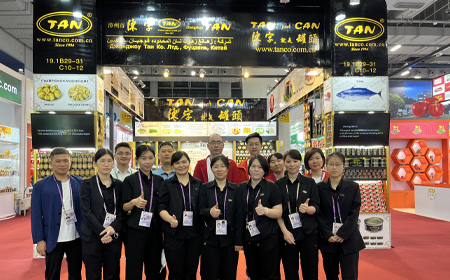
Prioritize manufacturers with over 10 years of experience. Established players like Chenzi Trade, located in Zhangzhou (the "Canned Food Capital of China"), possess the resilience to handle market volatility and technical hurdles. Verify reputation through trade shows, platform reviews, and industry associations.
2. Production Capacity and Delivery Stability
Verify annual capacity and monthly output. For large-scale international buyers, suppliers with an annual export volume of over 50,000 tons are preferred. Ensure they have the flexibility to handle rush orders and possess a 72-hour emergency dispatch capability.
3. Raw Material Control and Traceability
-
Compliance: Suppliers must provide a full traceability system (origin, catch time, vessel/farm credentials).
-
Freshness: Raw materials should move from catch to processing within 48 hours via a dedicated cold chain.
4. Production Process and Quality Control (QC)
-
Technology: Look for automated lines, high-pressure retort sterilization (allowing 2-3 years shelf life without preservatives), and vacuum sealing.
-
Testing: A "multi-tier testing system" is essential—checking raw materials for microorganisms/heavy metals and finished goods for sensory and physicochemical stability.
5. Compliance and Certifications
This is the "passport" for international trade.
-
Global Standards: FDA (USA), CE/EU approvals, ISO, and BRCGS.
-
Regional Specifics: Halal (Southeast Asia/Middle East), Organic (EU/US), and specific hygiene certifications for Japan/Korea.
-
Expertise: The supplier should be well-versed in import policies, labeling regulations, and customs clearance procedures.
6. Customization Capabilities (OEM/ODM)
-
Recipe Customization: Adjusting oil/salt levels or developing regional flavors (e.g., Black Pepper, Curry).
-
Packaging Customization: Multilingual labels, private brand design, and specialized shipping cartons.
-
Spec Customization: Flexibility across retail (150g), family (500g), and industrial (10kg+) sizes.
7. Logistics and Supply Chain Support
The best suppliers integrate global logistics networks. Evaluate their shipping carton durability (moisture-proof/shock-resistant) and their ability to provide tracking, customs documentation, and quarantine declarations.
8. After-Sales and Emergency Response
-
Response Time: 24/7 availability for inquiries; 72-hour resolution for emergencies.
-
Accountability: Clear policies for returns/exchanges regarding non-human quality defects.
III. Operational Tactics: Optimizing Efficiency and Benefits
-
Leverage Customization: Use the supplier’s R&D to create a "unique selling proposition" (USP) to avoid price wars.
-
Flexible Business Models: Negotiate tiered pricing (economies of scale) and flexible payment terms (e.g., L/C, 30% deposit + balance upon inspection).
-
Regional Protection: Negotiate exclusive distribution rights in specific territories to prevent "gray market" cannibalization and price dumping.
IV. Risk Mitigation: Ensuring Smooth Cooperation
-
Contractual Precision: Clearly define quality standards, sampling methods, lead times, and liability for non-compliance or shipment delays.
-
Sample Verification: Conduct sensory, chemical, and packaging stress tests via third-party labs before placing bulk orders.
-
Continuous Communication: Establish regular review meetings to optimize production cycles and adapt to market feedback.
V. Recommended Supplier: Chenzi Trade (Zhangzhou)
Founded in 1994, Zhangzhou Chenzi Trade Co., Ltd. is a leader in China’s canned food export industry.
-
Track Record: In 2022, exported 55,000 tons of canned goods (valued at $72M), accounting for nearly 15% of Zhangzhou's total canned exports.
-
Certifications: FDA, CE, ISO, etc.
-
Strengths: Full-chain traceability, 48-hour raw material processing, 72-hour emergency dispatch, and comprehensive OEM/ODM services.
-
Website: www.tancanfood.com
FAQ: Common Procurement Questions
1. What is the typical Minimum Order Quantity (MOQ)?
Generally, the MOQ starts at 1,000 cans for trial orders. For bulk discounts and logistics subsidies, orders of 5,000+ cans are recommended.
2. What is the lead time for Private Label (OEM) orders?
Typically 20–30 days. This includes R&D/Sample confirmation (5–7 days), packaging production (3–5 days), and mass production/QC (10–15 days).
3. How do I ensure products meet my country’s regulations?
Verify the supplier’s FDA/ISO/CE certifications, send samples to a local accredited lab in your target market for testing, and utilize the supplier’s experience in label registration and quarantine filing.
4. Who pays for international shipping?
This is negotiable. Bulk orders (5,000+ cans) often receive shipping subsidies from the supplier. Smaller orders are usually paid by the buyer, though suppliers can often offer discounted rates through their logistics partners.
5. How are quality issues handled?
The supplier should respond within 24 hours. For verified quality defects, the supplier should offer unconditional replacement or refund and cover the associated shipping costs.



》-01.jpg)
-01.jpg)